Bone Feeding Guide for Dogs & Cats
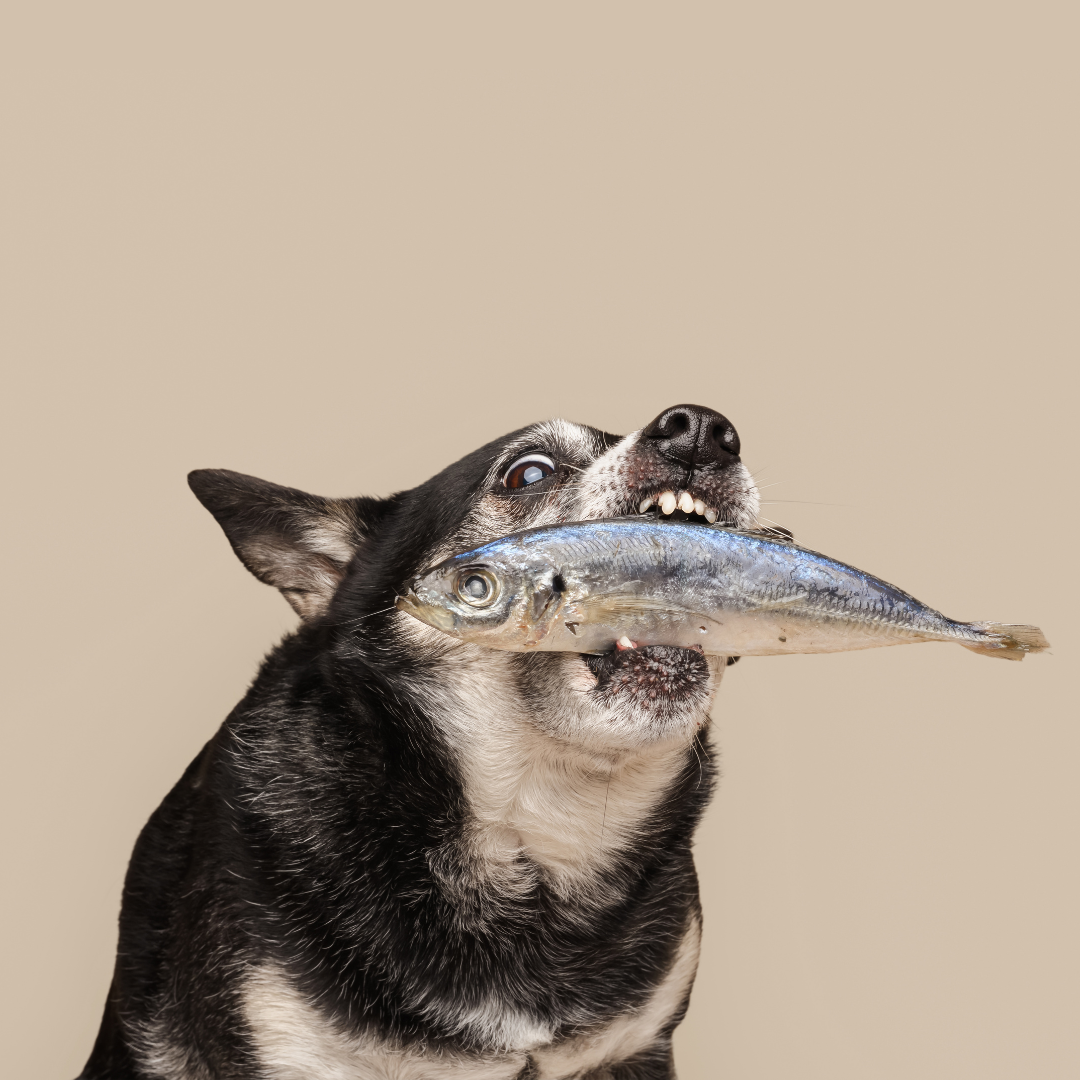
Why Raw Meaty Bones Are Important
Feeding raw meaty bones is one of the most natural ways to support your pet’s health. This bone feeding guide explains how to choose the right bones for dogs and cats, how to feed them safely, and how to support digestion as your pet gets used to them. Raw bones provide enrichment, dental benefits, and essential nutrients, and when fed correctly, they’re an enjoyable and healthy part of a raw diet.
Whether you’re just starting your pet on raw feeding or looking to refine their routine, this bone feeding guide will help you feel confident choosing the right bones and knowing when and how to offer them.
How to Feed Raw Meaty Bones Safely
Choosing the Right Size & Type of Bone
Dogs and cats need to rip, tear, and chew to get the full physical and behavioural benefits of raw meaty bones. Choose bones with plenty of soft tissue or meat attached, which encourages slower chewing and reduces the risk of swallowing large pieces.
Not Too Small
Bones should be small enough to be chewed and crunched but not so small that they could be swallowed whole. Too small bones can be a choking hazard and cause oral trauma.
Not Too Big
Avoid very large, heavy, weight-bearing bones (like beef cannon bones) can be too hard and may fracture teeth.
Never Cooked
Never feed cooked bones to your dog or cat, cooked bones splinter easily and are extremely dangerous. Only ever feed raw, meaty bones.
Balance Bones With Rest of Diet
Raw meaty bones are not a complete diet on their own. To ensure you're feeding a balanced raw diet, feed a variety of prey sources along with tripe and organs. If you’re unsure which bones are appropriate for your pet’s size or chewing style, our nutrition team is always happy to help.
Digestion & Green Tripe
Raw meaty bones aren’t a complete diet on their own. For balanced nutrition, they should be fed alongside a variety of prey sources, organs, and green tripe. Green tripe is especially helpful when feeding bones; it’s rich in natural enzymes, prebiotics, and probiotics that support digestion. As a guide, tripe can make up a quarter to a third of your pet’s meals when introducing bones. For more information, check out our green tripe guide.
When Bones Are Not Suitable
Some pets may need to avoid whole bones altogether. These pets include, elderly pets, sick or medically fragile pets, pregnant or lactating animals, pets on certain medication and pets with restorative dental work or a history of dental issues
If your pet falls into any of these categories, please check with our nutrition team before offering bones.
Supervision & Feeding Behaviour
Always supervise your dog or cat when feeding bones. Even confident chewers can become overly excited, which increases the chance of gulping. Feed bones in a calm environment. Separate pets so they can chew at their own pace without competition. Remove any small leftover pieces that could be swallowed whole.
Supervision is one of the simplest and most effective ways to keep your pet safe while enjoying their bone.
Special Care for Brachycephalic Breeds
Short-nosed breeds, such as Pugs, French Bulldogs, and Bull Mastiffs, often thrive on raw diets but may struggle with whole bones due to their anatomy. These pets may need modified bone options or alternatives to ensure they’re chewing safely.
If you have a brachycephalic dog, talk to our team for tailored guidance.
Raw Essentials | Wildly Good Advice & Nutrition

New Zealand's raw pet food experts
Locally sourced frozen raw pet food
Natural treats and freeze dried pet food
17 pet friendly stores across New Zealand
Nationwide raw pet food delivery
online@rawessentials.co.nz
Copyright Raw Essentials Limited. All rights reserved.
RAW ESSENTIALS | Wildly Good Advice & Nutrition
New Zealand's raw pet food experts
Frozen raw, treats and freeze dried pet food
17 pet friendly stores across New Zealand
help@rawessentials.co.nz
Copyright Raw Essentials Limited. All rights reserved.